How to Maintain Your Plastic Pelletizer for Long-Term Performance
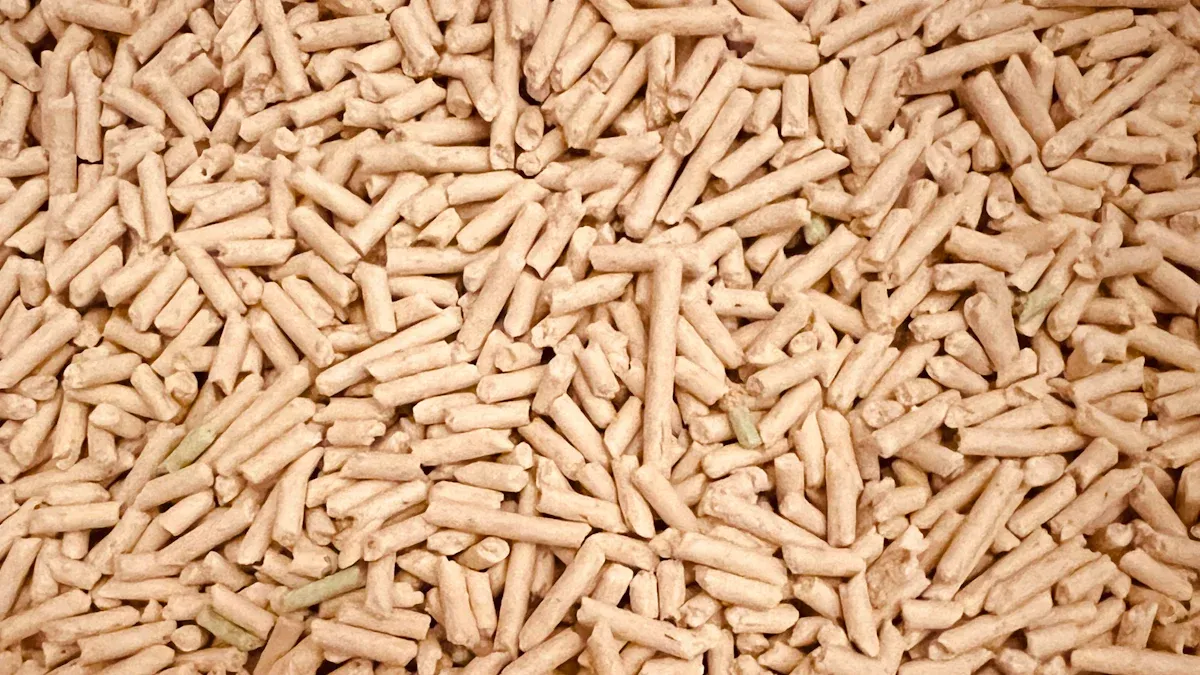
Daily care keeps a plastic pelletizer running smoothly. People who work with plastic recycling machines know that regular cleaning and checks help prevent issues. A granulator, just like any plastic recycle machine, needs attention. When someone maintains a plastic recycling machine, they protect their investment and make the job safer.
Key Takeaways
- Perform daily checks for loose bolts, leaks, and leftover plastic to keep the pelletizer running smoothly and prevent bigger problems.
- Follow weekly and monthly maintenance tasks like sharpening blades, inspecting belts, and testing safety features to extend machine life and improve performance.
- Always prioritize safety by turning off power, wearing protective gear, and using lockout/tagout procedures before maintenance to avoid accidents.
Plastic Pelletizer Maintenance Schedule and Procedures
Daily Maintenance Tasks
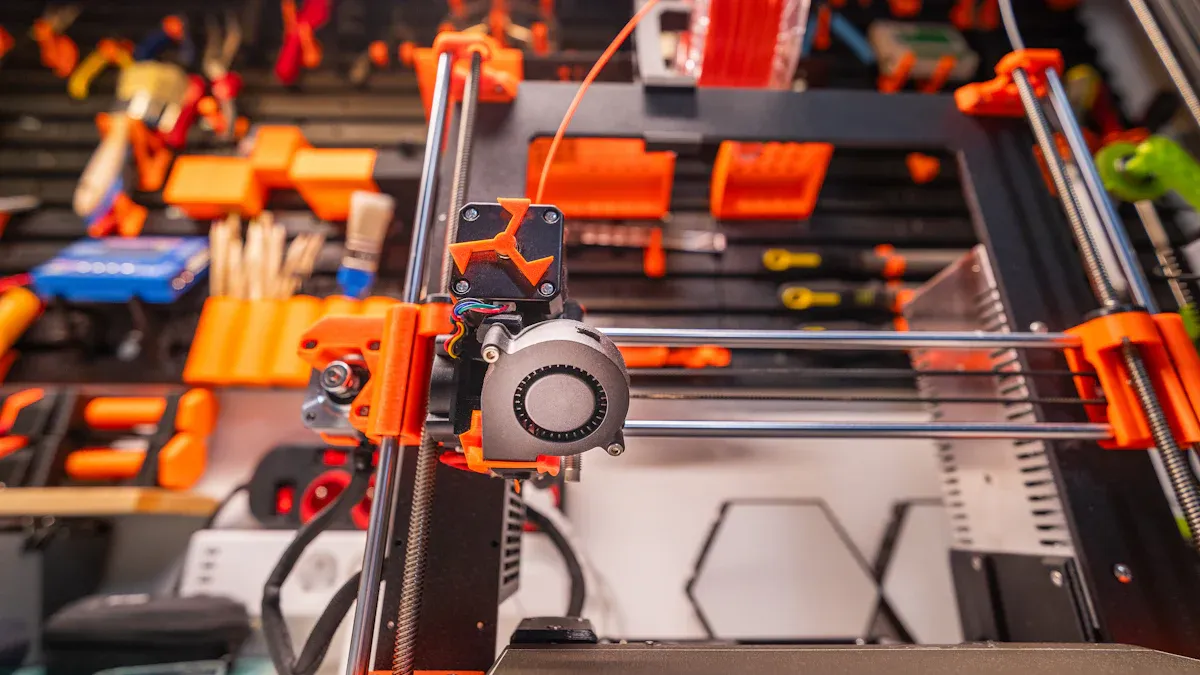
Operators should check the plastic pelletizer every day before starting work. They look for loose bolts, leaks, or any strange noises. They also make sure the machine is clean and free from leftover plastic. If they spot any small problems, they fix them right away. This habit keeps the machine running smoothly and helps avoid bigger issues later.
Daily Checklist:
- Inspect for loose or missing bolts
- Check for oil or water leaks
- Listen for unusual sounds
- Remove leftover plastic or debris
- Confirm safety guards are in place
Tip: A quick daily check can save hours of repair time later.
Weekly and Periodic Maintenance Tasks
Each week, operators take a closer look at the plastic pelletizer. They check the belts for wear and make sure the blades are sharp. They also inspect the screens and clean or replace them if needed. Once a month, they review the machine’s alignment and test the emergency stop button.
Weekly Tasks Table:
| Task | Frequency |
|---|---|
| Inspect belts and pulleys | Weekly |
| Sharpen or replace blades | Weekly |
| Clean or change screens | Weekly |
| Check alignment | Monthly |
| Test emergency stop | Monthly |
Cleaning the Plastic Pelletizer
Cleaning keeps the plastic pelletizer in top shape. Operators turn off the machine and let it cool before cleaning. They use brushes or compressed air to remove dust and plastic bits. For sticky residue, they use a mild solvent that is safe for the machine. Clean parts last longer and work better.
Note: Never use water directly on electrical parts. Always dry the machine after cleaning.
Lubrication Points and Methods
Lubrication plays a big role in reducing friction and wear inside the plastic pelletizer. Operators apply grease or oil to moving parts like bearings, gears, and shafts. They follow the manufacturer’s guide for the right type and amount of lubricant.
Recent studies show that adding steam during pelletizing thickens the lubrication layer between the pellets and the metal die. This thicker layer shifts the process from direct contact to a mixed lubrication state, which means less wear on the pellet surface. When operators increase steam from 0.035 to 0.053 kg per kg of ingredients, the friction drops by about 16%. This change also lowers the energy needed to run the machine and keeps the pellets cooler, which helps them stay strong and durable.
Operators can control the lubrication layer by adjusting steam use. A thicker layer fills in tiny gaps on the die surface, which further cuts down on friction and wear. New dies need more energy because their surfaces are rougher, but as they smooth out, the lubrication film gets thicker and friction drops.
Lubrication Points:
- Main bearings
- Gearbox
- Shaft ends
- Die surfaces (with steam or oil)
Tip: Always use the recommended lubricant and never over-lubricate. Too much grease can cause overheating.
Inspecting and Replacing Worn Parts
Worn parts can slow down the plastic pelletizer or even cause it to stop. Operators check blades, screens, and belts for signs of wear. If they see cracks, chips, or thinning, they replace the part right away. Keeping spare parts on hand helps avoid long delays.
Signs a Part Needs Replacing:
- Blades are dull or chipped
- Screens have holes or are clogged
- Belts are cracked or loose
Electrical System Checks
The electrical system controls the plastic pelletizer. Operators inspect wires, switches, and control panels for damage or loose connections. They test emergency stops and safety interlocks to make sure they work. If they find any frayed wires or burnt smells, they call a qualified electrician.
Alert: Never open electrical panels while the machine is running. Always lock out power before working on electrical parts.
Safety Precautions Before Maintenance
Safety comes first. Before any maintenance, operators turn off the plastic pelletizer and disconnect it from power. They let moving parts stop completely. They wear gloves, goggles, and other safety gear. If they need to work inside the machine, they use lockout/tagout procedures to make sure no one turns it on by mistake.
Safety Steps:
- Turn off and unplug the machine
- Wait for all parts to stop moving
- Wear proper safety gear
- Use lockout/tagout tags
- Double-check before starting work
Remember: A few extra minutes for safety can prevent serious injuries.
Plastic Pelletizer Troubleshooting and Performance Optimization
Common Issues and Quick Fixes
Operators sometimes notice problems with a plastic pelletizer during daily use. The machine might jam, make loud noises, or produce uneven pellets. These issues can slow down production. Here are some common problems and how to fix them:
- Jamming: If the plastic pelletizer jams, operators should stop the machine and clear any stuck material. They can use a brush or tool to remove debris.
- Noisy Operation: Loud sounds often mean loose bolts or worn bearings. Operators should tighten bolts and check the bearings for damage.
- Uneven Pellet Size: Dull blades or clogged screens can cause this. Operators should sharpen or replace blades and clean the screens.
- Overheating: If the machine gets too hot, operators should check for blocked airflow or low lubrication.
Tip: Quick action on small problems keeps the plastic pelletizer running and avoids bigger repairs.
Tips to Maximize Efficiency and Lifespan
A few simple habits help operators get the best results from a plastic pelletizer. They should always follow the maintenance schedule and use the right materials. Clean machines work better and last longer.
- Keep the machine clean after every shift.
- Use only approved lubricants and parts.
- Store spare parts in a dry, safe place.
- Train all operators on proper use and safety.
A well-cared-for plastic pelletizer can run for years with fewer breakdowns and better performance.
Regular maintenance keeps a plastic pelletizer running strong for years. Operators who follow a set schedule see less downtime and better performance. Industry research shows that smart care leads to longer equipment life, fewer repairs, and steady pellet quality.
- Extended machine lifespan
- Improved reliability
- Lower costs
FAQ
How often should someone replace the blades on a plastic pelletizer?
Blades usually need replacing every few weeks. Heavy use or tough materials may wear them out faster. Operators should check them weekly for best results.
What should operators do if the pelletizer keeps jamming?
They should stop the machine, clear out any stuck plastic, and check for dull blades or clogged screens. Regular cleaning helps prevent jams.
Can someone use any lubricant on the pelletizer?
No, always use the lubricant recommended by the manufacturer. The wrong type can damage parts or cause overheating.
