What Are the Key Ways Plastic Recycling Machines Reduce Factory Waste?
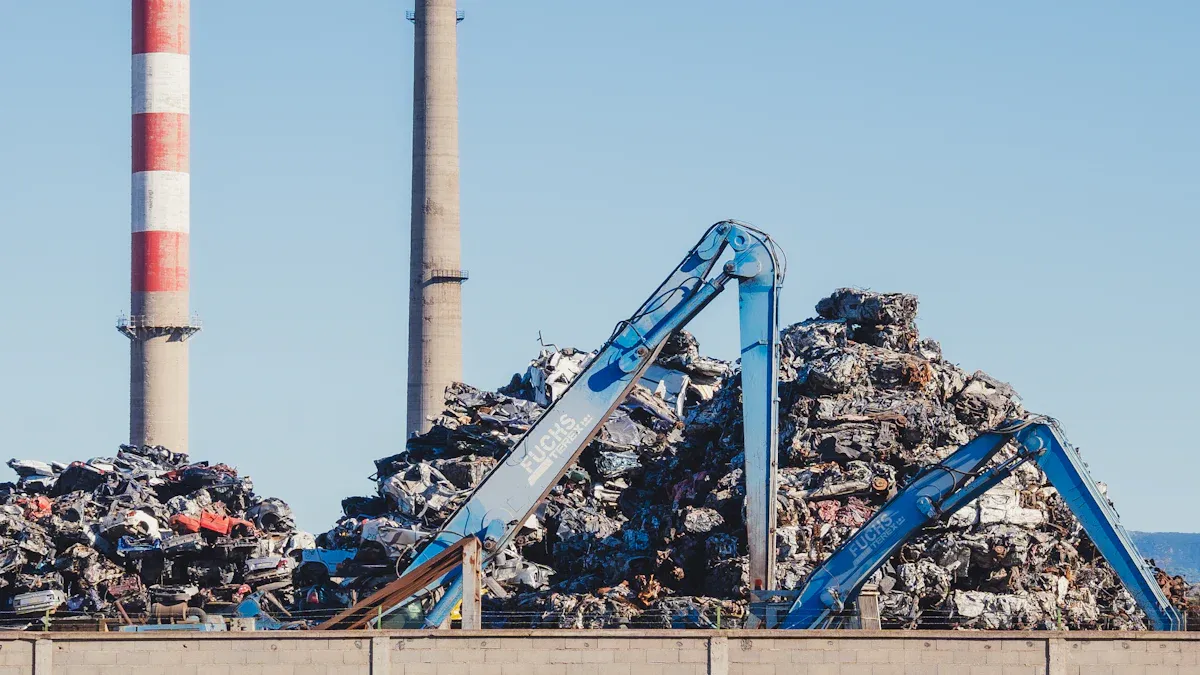
Factories use a Plastic Recycling Machine to cut waste and save money. Workers can process Plastic Parts with a Plastic Bottle Crusher, a Plastic Shredder, or a Granulator Machine. These tools help recycle materials, reduce storage needs, and improve efficiency. Many factories also meet environmental rules this way.
- Less waste leaves the factory
- More materials get reused
- Energy and labor costs drop
Key Takeaways
- Plastic recycling machines help factories cut waste and save money by reusing plastic and lowering disposal costs.
- These machines improve factory efficiency by reducing storage space, automating processes, and speeding up recycling.
- Using recycling machines supports environmental goals, lowers energy use, and helps factories meet important regulations.
Plastic Recycling Machine Benefits for Cost and Waste Reduction
Lowering Waste Disposal Expenses
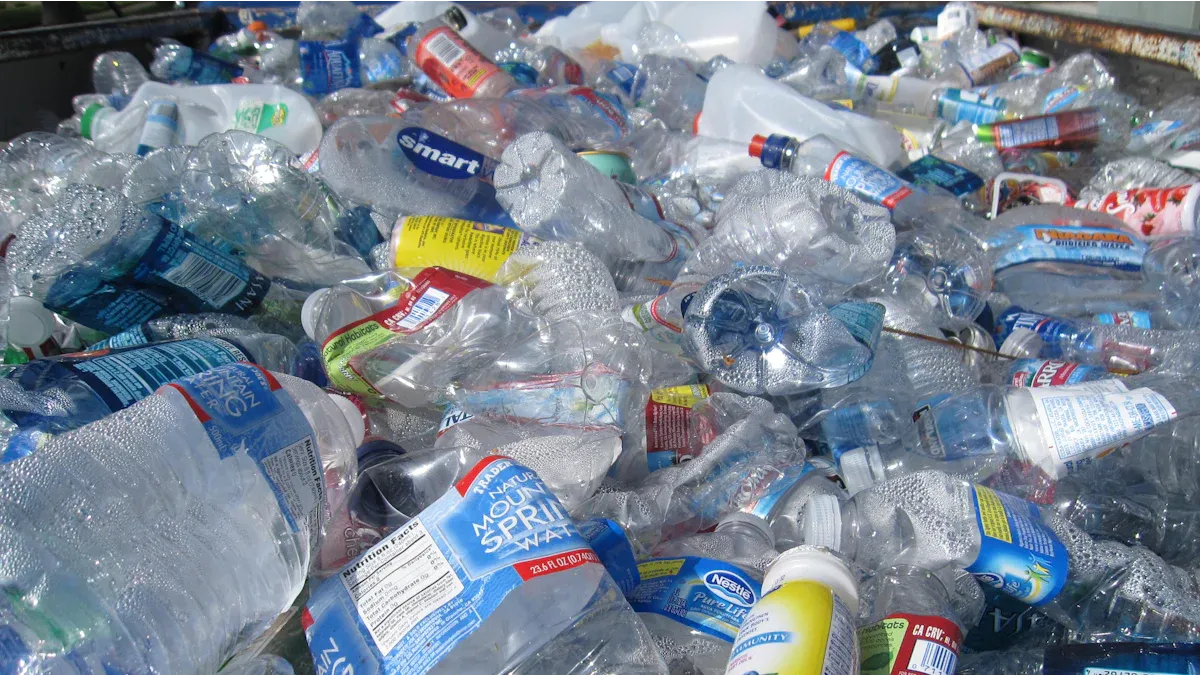
Factories that use a Plastic Recycling Machine can lower their waste disposal costs. These machines help sort, clean, and process plastic waste, making it easier to recycle instead of sending it to landfills. Mechanical recycling often costs less than other waste management methods when factories have good sorting systems. For example, mechanical recycling machines usually cost between $2,000 and $10,000 to buy. The cost to recycle each kilogram of plastic ranges from $0.003 to $0.23. This makes recycling a cost-effective choice for many factories.
Factories in Parsippany, New Jersey, and Addison, Illinois, saved over $35,000 and $40,000 in waste disposal costs in 2020 by recycling more than 100 tons of plastic each.
| Facility Location | Year | Waste Diversion Rate from Landfills | Amount of Waste Recycled (tons) | Waste Disposal Cost Savings |
|---|---|---|---|---|
| Parsippany, New Jersey | 2020 | 98.3% | 127+ recycled, 172+ reused | Over $35,000 |
| Addison, Illinois | 2020 | 97.7% | 228+ recycled, 114+ reused | Over $40,000 |
Modern recycling machines, such as balers and shredders, also reduce the volume of plastic waste. This means factories need fewer waste pickups, which lowers transportation and landfill fees. Over time, these savings add up and help factories manage their budgets better.
Reducing Raw Material Purchases
A Plastic Recycling Machine allows factories to reuse their own plastic waste. This reduces the need to buy new, or “virgin,” plastic materials. As technology improves, the cost of recycled plastic continues to drop. Factories that recycle on-site can save money by using their own recycled plastic instead of buying new materials. This also cuts down on transportation costs and waste disposal fees.
A study found that better recycling processes can lower the cost per ton of recycled plastic by 15–26%. Small recycling machines make it possible for even small businesses to save money by reusing their plastic waste. For example, a large recycling facility used AI and robotic sorting machines to recover over $400,000 worth of plastics each year. The robots paid for themselves in just three months.
| Factory / Facility | Cost Savings Description | Annual Savings Amount |
|---|---|---|
| Pechiney Plastic Packaging | Reduced plastic film use by 150 tons; recycling program | $165,000 + $12,000 |
| Metro Furniture | Installed cardboard and plastic film balers | $52,000 |
| New United Motor Manufacturing, Inc. (NUMMI) | Used reusable shipping containers | $2,500,000 |
Turning Plastic Waste into Reusable Materials
Plastic Recycling Machines turn waste into new, usable products. These machines can process many types of plastics, such as PET bottles, HDPE containers, and PVC pipes. The recycling process includes collecting, sorting, washing, shredding, melting, and forming new plastic pellets or flakes.
- PET bottles, like water and soda bottles, become flakes or pellets.
- HDPE containers, such as milk jugs, are processed by crushers and shredders.
- LDPE bottles from labs or hospitals are also recycled.
- The process uses washing systems to remove dirt, then melts and shapes the plastic into new forms.
Factories use these recycled materials to make new products, including food-grade plastics. This process reduces pollution and saves energy. By turning waste into something useful, factories help protect the environment and support a circular economy.
Plastic Recycling Machine Impact on Efficiency and Sustainability
Streamlining Material Handling and Storage
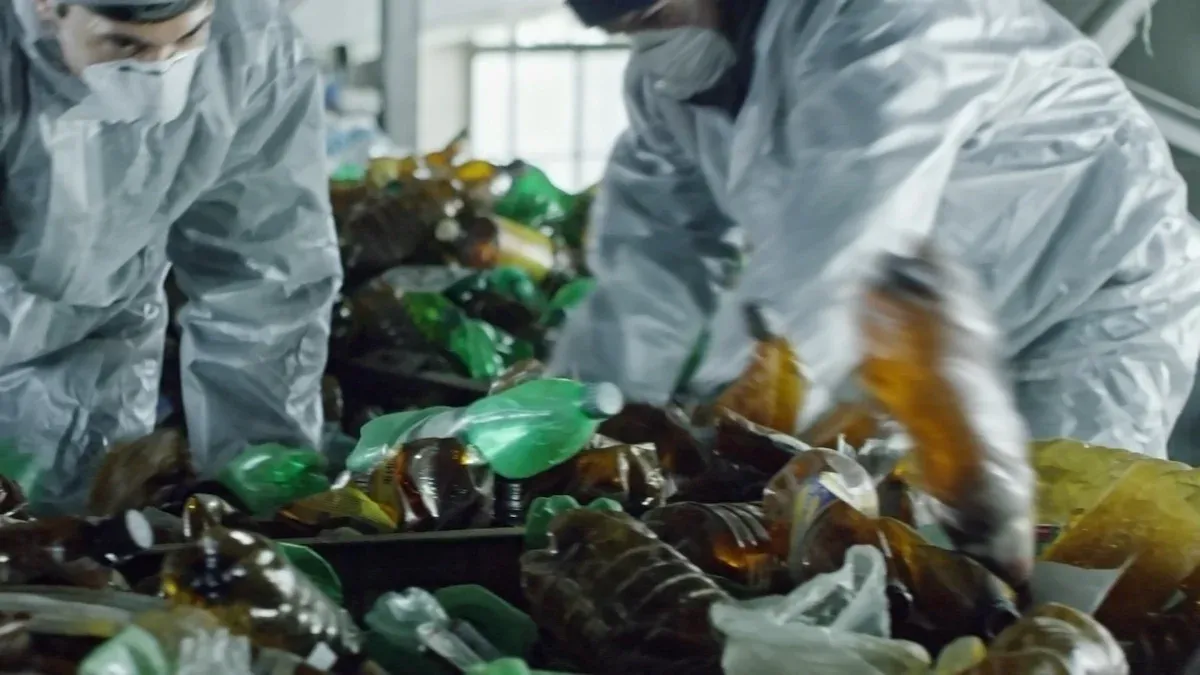
Factories often struggle with bulky plastic waste that takes up valuable space. A Plastic Recycling Machine helps solve this problem by compressing and shredding plastic materials. Balers press plastics into dense bales, which can reduce storage space by up to 90%. Shredders break down large pieces, making them easier to handle and store.
- Balers and compactors create dense bundles, saving room and making transportation more efficient.
- Mobile shredders allow on-site processing, which means factories do not need to move waste to another location.
- Shredded plastic takes up less space and is easier to move around the factory.
- Automated systems reduce manual labor and improve safety by limiting the need to handle sharp or heavy waste.
| Equipment Type | Storage Space Savings (%) | Explanation |
|---|---|---|
| Compactors & Balers | Up to 90% | Compress recyclables into dense bundles, drastically reducing footprint. |
| Nestable Containers | Up to 75% | Stacked containers save significant transport and storage space. |
| Folding Containers | Up to 80% | Folded containers reduce volume substantially when empty. |
| CUBITAINER® Flexible Containers | 85% | Collapsible containers occupy only one-seventh the space of rigid ones. |
By using these machines, factories can keep their work areas clear and organized. This leads to better workflow and less risk of accidents.
Improving Production Workflow and Automation
A Plastic Recycling Machine can improve how factories run their recycling lines. Many machines combine several steps, such as cutting, shredding, and pelletizing, into one process. This integration saves time and reduces the need for extra workers.
- Machines with auto-controlled conveyors feed plastic waste directly into shredders or compactors.
- Automation features, like sensor-based sorting and PLC control systems, help keep the process running smoothly.
- Shredders and compactors work together to handle tough materials without extra steps.
- Automated pelletizers adjust speed and pressure for consistent output.
Automated recycling lines help factories produce more recycled plastic with less downtime and fewer mistakes.
When factories use these machines, they see higher output and better quality pellets. The process becomes more stable, and workers can focus on other important tasks.
Enhancing Sustainability and Meeting Compliance Standards
Plastic Recycling Machines play a big role in helping factories protect the environment. These machines process large amounts of plastic waste, keeping it out of landfills and reducing pollution. By recycling plastics, factories use fewer new resources and save energy.
- Recycling machines help factories meet safety and environmental standards set by groups like ISO and ANSI.
- Proper use of these machines ensures factories follow local and international rules for waste management and trade.
- Many regions require factories to use recycled materials, and these machines make it easier to meet those laws.
- Machines with advanced sorting and cleaning features improve the quality of recycled plastics, supporting a circular economy.
Factories that use recycling machines show they care about the environment and follow important rules. This can help them avoid fines and build trust with customers.
Saving Energy and Reducing Labor Costs
Factories save energy when they use a Plastic Recycling Machine. Recycling plastic uses much less energy than making new plastic from oil or gas. Mechanical recycling, in particular, produces fewer emissions and uses less power than other methods.
- Recycling reduces the need for new raw materials, which saves energy and lowers greenhouse gas emissions.
- Automated machines cut down on manual labor, so factories spend less on wages and training.
- Energy-efficient designs help factories lower their utility bills and meet environmental goals.
Many factories find that the money they spend on recycling machines is paid back through energy savings and lower labor costs.
By investing in recycling equipment, factories can future-proof their operations and stay competitive in a world that values sustainability.
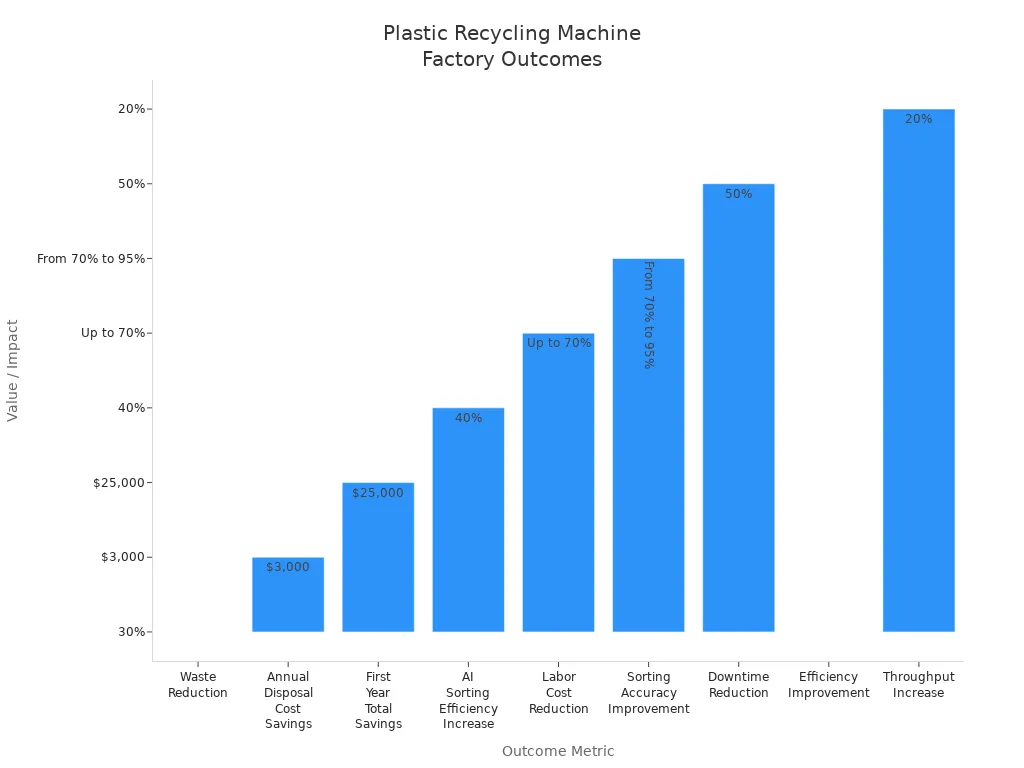
Factories that use a Plastic Recycling Machine see less waste and lower costs. They improve efficiency and meet sustainability goals. When choosing equipment, managers should check material type, machine capacity, and energy use.
FAQ
How do plastic recycling machines help factories save money?
Plastic recycling machines let factories reuse plastic waste. They buy fewer new materials. They also spend less on waste disposal and storage.
What types of plastics can these machines process?
These machines handle many plastics. They process PET bottles, HDPE containers, PVC pipes, and LDPE films. Factories sort plastics before recycling.
Are plastic recycling machines hard to operate?
Most machines use simple controls. Workers receive training. Many machines have automatic features. Factories find them easy to use and maintain.
