Key Advancements in Pellet Hopper Dryer Efficiency and Design
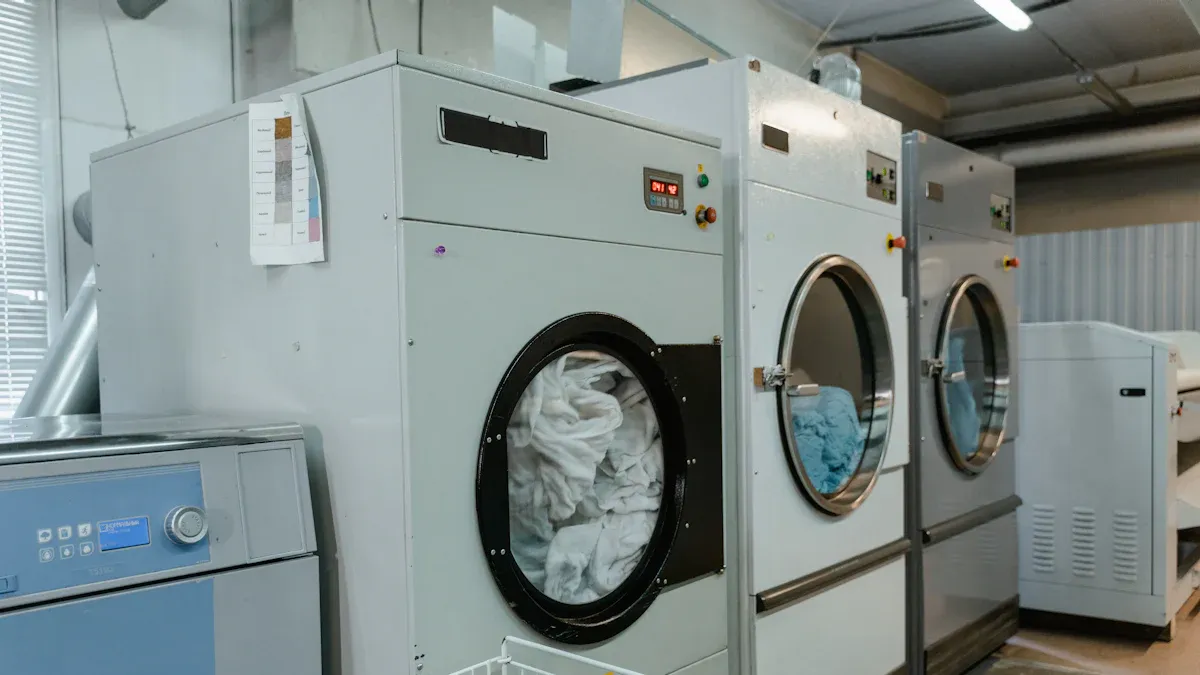
Pellet hopper dryers play a crucial role in modern manufacturing by ensuring materials like plastics and resins are properly dried before processing. Industries rely on these systems to maintain product quality and prevent defects. Recent advancements promise significant gains in efficiency. For example, drying times are expected to decrease by 33%, while energy consumption could drop by as much as 66%. These improvements not only reduce costs but also support sustainability goals. Innovations in hopper dryer plastic and dehumidifier hopper dryer designs will likely shape industrial processes in 2025 and beyond.
Key Takeaways
- Pellet hopper dryers dry plastics to keep quality high and avoid flaws.
- New improvements cut drying time by 33% and energy use by 66%. This saves a lot of money.
- Smart tech and IoT help monitor and adjust dryers in real-time. This reduces delays and boosts efficiency.
- Better heating systems and sensors make drying more accurate, cutting waste and improving quality.
- Custom dryer designs fit different industries, making them work better for specific needs.
Technological Innovations in Pellet Hopper Dryers
Automation and AI Integration
Automation and artificial intelligence (AI) are transforming the functionality of pellet hopper dryers. These technologies streamline operations by reducing manual intervention and improving precision. Automated systems can adjust drying parameters in real-time, ensuring optimal performance. AI algorithms analyze data from previous drying cycles to predict and prevent potential issues, minimizing downtime.
A growing number of manufacturers are adopting automation to enhance production efficiency. For instance, the integration of advanced controls in hopper dryers reflects the broader trend of digital transformation in industrial processes. These innovations are particularly beneficial in sectors like automotive and electronics, where precise moisture control is critical for product quality.
IoT-Enabled Monitoring and Control
The Internet of Things (IoT) has introduced a new level of connectivity to pellet hopper dryers. IoT-enabled systems allow operators to monitor and control drying processes remotely. Real-time data on temperature, humidity, and energy consumption can be accessed through mobile devices or computers. This level of oversight ensures consistent drying quality while reducing the risk of errors.
In early 2024, AEC partnered with manufacturers to integrate IoT capabilities into their hopper dryers. This collaboration has enabled real-time monitoring, which not only improves operational efficiency but also supports predictive maintenance. By identifying potential issues before they escalate, IoT technology helps extend the lifespan of equipment and reduce maintenance costs.
Energy-Efficient Heating Systems
Energy-efficient heating systems are a cornerstone of modern pellet hopper dryer design. These systems significantly reduce energy consumption, making them both cost-effective and environmentally friendly. For example, specific energy consumption can decrease by 20-40% when using a 4% binder compared to no binder. This reduction translates to lower operational costs and a smaller carbon footprint.
Recent advancements in heating technology have also improved drying speed. Rapid temperature increases inside the hopper can cut drying times by more than 30%. In January 2024, Conair Group launched an upgraded hopper dryer system featuring advanced energy-saving technology. This innovation has gained popularity for its ability to dry plastic materials quickly and efficiently, meeting the demands of modern manufacturing.
Advanced Material Sensors for Precision Drying
Advanced material sensors have revolutionized the drying process in modern manufacturing. These sensors detect moisture levels with exceptional accuracy, ensuring that materials are dried to the precise specifications required for high-quality production. By eliminating guesswork, they enhance efficiency and reduce waste.
Key Features of Advanced Material Sensors
- Real-Time Monitoring: Sensors continuously measure moisture levels during the drying process. This allows operators to make immediate adjustments to maintain optimal drying conditions.
- High Sensitivity: Advanced sensors can detect even minute changes in moisture content, ensuring consistent results across different batches of materials.
- Compatibility: Many sensors integrate seamlessly with existing pellet hopper dryer systems, making upgrades straightforward and cost-effective.
Benefits of Precision Drying
- Improved Product Quality: Precise moisture control prevents defects such as warping or cracking in finished products.
- Energy Savings: Accurate drying reduces the need for extended drying cycles, lowering energy consumption.
- Reduced Material Waste: Sensors help avoid over-drying, which can degrade materials and lead to unnecessary waste.
Tip: Manufacturers can pair advanced material sensors with IoT-enabled systems for enhanced control and monitoring. This combination maximizes efficiency and minimizes downtime.
Real-World Applications
Industries such as automotive, aerospace, and consumer electronics benefit significantly from precision drying. For example, in plastic injection molding, maintaining the correct moisture level ensures the durability and appearance of components. Similarly, in the production of medical devices, precision drying guarantees compliance with strict quality standards.
Future Trends
The development of smart sensors with AI capabilities is expected to further improve drying accuracy. These sensors will analyze historical data to predict optimal drying conditions, reducing the need for manual intervention. Additionally, advancements in sensor materials may lead to even greater sensitivity and durability.
Efficiency Improvements in Pellet Hopper Dryers
Reduction in Drying Time
Modern pellet hopper dryers have significantly reduced drying times, enabling faster production cycles. Advanced heating systems and optimized airflow designs ensure uniform heat distribution, which accelerates moisture removal. Manufacturers have introduced technologies that allow precise control of drying parameters, eliminating inefficiencies caused by over-drying or under-drying.
Shorter drying times benefit industries by increasing throughput and reducing bottlenecks in production lines. For example, in plastic molding processes, faster drying ensures that raw materials are ready for use without delays. This improvement enhances productivity and allows businesses to meet tight deadlines without compromising quality.
Tip: Regular maintenance of hopper dryers can further reduce drying times by ensuring all components function optimally.
Lower Energy Consumption
Energy consumption remains a critical factor in the operation of pellet hopper dryers. Recent advancements have focused on reducing energy usage while maintaining drying efficiency. Enhanced heating systems and improved insulation minimize heat loss, leading to lower energy requirements.
A study on energy consumption across different feedstock compositions highlights the impact of these innovations. The table below illustrates energy usage for various materials and conditions:
| Feedstock Composition | Moisture Content (w.b.) | L/D Ratio | Energy Consumption (kWh/ton) |
|---|---|---|---|
| 100% Pine | 20% | 9 | 105 |
| 100% Switchgrass | 20% | 9 | 123 |
| 75% Pine / 25% SG | 20% | 9 | 102-110 |
| 50% Pine / 50% SG | 20-25% | 5-9 | 124-155 |
| 75% SG | 20% | 9 | 125 |
| 100% Pine | 25% | 5 | 176 |
This data demonstrates how feedstock composition and moisture levels influence energy consumption. Pellet hopper dryers equipped with energy-efficient systems can achieve significant savings, particularly when processing materials with lower moisture content.
Minimization of Operational Costs
Operational costs in pellet hopper dryers are influenced by energy usage, maintenance requirements, and downtime. Innovations in dryer design have reduced these costs by improving efficiency and reliability. Features such as automated controls and IoT-enabled monitoring systems help operators optimize drying processes, minimizing waste and unnecessary expenses.
Durable materials and modular designs also contribute to cost savings. These enhancements reduce the frequency of repairs and replacements, ensuring long-term performance. Businesses benefit from lower maintenance costs and fewer disruptions to production schedules.
Note: Investing in energy-efficient pellet hopper dryers can yield substantial cost savings over time, making them a valuable asset for manufacturers.
Enhanced Process Consistency and Reliability
Advancements in pellet hopper dryer technology have significantly improved process consistency and reliability, ensuring uniform drying results across various industrial applications. Consistency in drying processes is critical for maintaining product quality, especially in industries like automotive, medical devices, and consumer electronics. Modern systems incorporate precise controls and monitoring tools to eliminate variability, which can lead to defects or inefficiencies.
One of the key factors influencing process reliability is airflow. Proper airflow ensures even heat distribution and effective moisture removal. For optimal performance, airflow should meet the recommended rate of at least 1/2 cfm per pound of material. Factors such as bulk density and filter cleanliness also play a role in maintaining consistent airflow. Regular maintenance of filters and hoses prevents contamination and ensures efficient operation.
Another critical metric is dewpoint, which measures the moisture saturation in the air. Maintaining a low dewpoint ensures stable drying conditions, regardless of changes in ambient weather. This stability is particularly important for materials sensitive to humidity, as it prevents fluctuations in drying times and moisture levels.
The initial moisture content of materials also affects process consistency. Minimizing exposure to humidity before drying helps achieve uniform results. Proper storage practices and controlled environments reduce the risk of moisture regain, which can compromise the drying process. Additionally, limiting the amount of material outside the dryer minimizes temperature loss and prevents reabsorption of moisture.
Dryer sizing plays a pivotal role in ensuring reliable performance. A dryer operating below 50% of its maximum capacity may struggle to maintain effective drying conditions. Proper sizing avoids issues with airflow and drying efficiency, ensuring consistent results. Adhering to material-specific drying temperatures further enhances reliability by preventing overdrying or thermal damage.
The table below summarizes key quality control metrics that validate improvements in process consistency and reliability:
| Metric | Description |
|---|---|
| Airflow | Essential for transferring heat and removing moisture; recommended airflow is at least 1/2 cfm/lb of material, influenced by factors like bulk density and cleanliness of filters. |
| Dewpoint | Measures moisture saturation in air; maintaining a low dewpoint ensures consistent drying conditions, unaffected by ambient weather changes. |
| Initial Moisture Levels | Control of initial moisture in resin is crucial; practices to minimize exposure to humidity can lead to more consistent drying times and improved end-product quality. |
| Dryer Sizing | Proper sizing of dryers is necessary to avoid issues with airflow and drying efficiency; minimum throughput should not be less than 50% of maximum capacity to maintain effective drying conditions. |
| Drying Temperature | Each material has an ideal drying temperature; adhering to these specifications prevents overdrying or thermal damage, ensuring consistent moisture levels. |
| Machine-Side Material Inventory | Limiting the amount of material outside the dryer helps maintain process consistency by reducing exposure to temperature loss and moisture regain. |
| Airflow Cleanliness | Regular monitoring and cleaning of filters and hoses is vital to prevent contamination and ensure efficient drying airflow. |
| Moisture Analyzer | Investing in a moisture analyzer provides quick and reliable insights into moisture levels, helping to identify and resolve drying issues effectively. |
Modern pellet hopper dryers integrate advanced tools like moisture analyzers to further enhance reliability. These devices provide real-time insights into moisture levels, enabling operators to address issues promptly. By combining these tools with IoT-enabled systems, manufacturers can achieve unparalleled consistency in their drying processes.
Design Enhancements in Pellet Hopper Dryers
Compact and Modular Designs
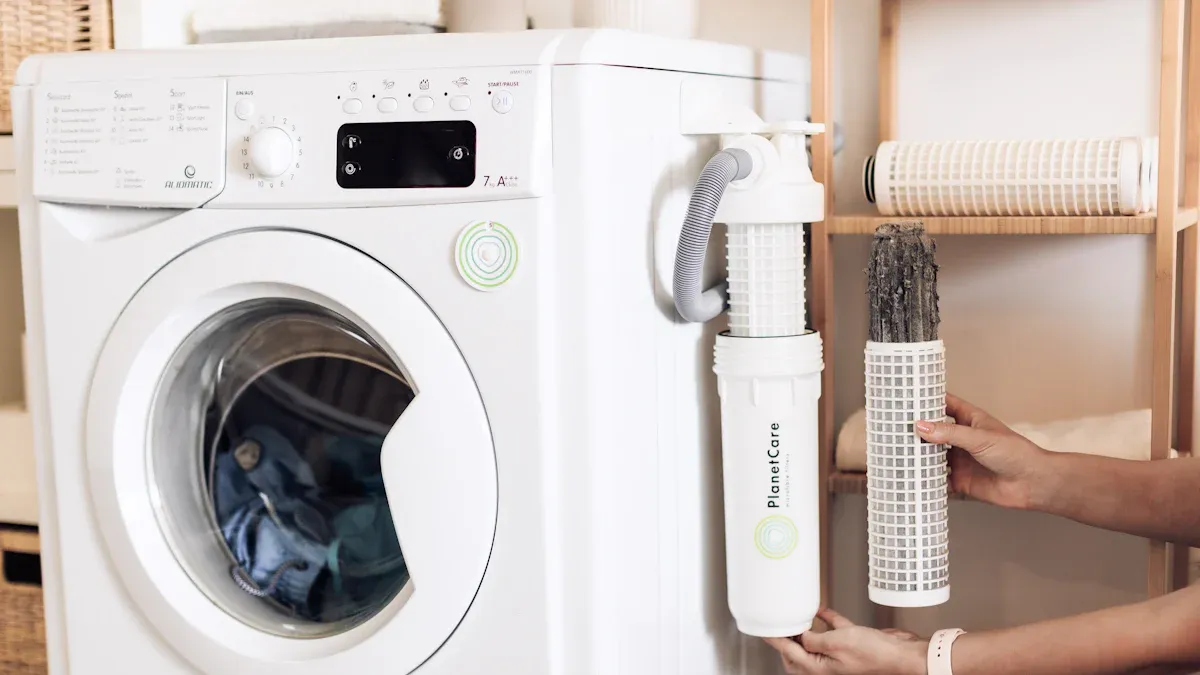
Compact and modular designs have revolutionized pellet hopper dryer systems, making them more adaptable to diverse industrial environments. These designs reduce the equipment’s footprint, allowing manufacturers to optimize workspace utilization. Smaller models fit seamlessly into facilities with limited space, enabling efficient layouts without compromising functionality.
Enhanced modularity simplifies maintenance and cleaning processes. Features like oversized access doors and external purge valves allow operators to perform routine tasks quickly. Proprietary airflow control systems ensure precise calibration for each hopper, improving drying performance and reducing energy waste.
| Benefit | Description |
|---|---|
| Smaller Footprint | The new models are designed to occupy less space, making them suitable for various operational layouts. |
| Easier Cleanout | Enhanced design features facilitate quicker and more efficient cleaning processes. |
| Increased Drying Speed | The systems are reported to have improved drying speeds, contributing to overall efficiency. |
| Energy Efficiency | New controls help prevent energy waste by adjusting temperature and airflow when not in use. |
| Precise Airflow Control | Proprietary systems allow for accurate calibration of airflow to each hopper, enhancing performance. |
| Simplified Maintenance | Features like oversized access doors and external purge valves make maintenance tasks easier. |
These innovations not only enhance operational efficiency but also support sustainability goals by minimizing energy consumption and waste.
Use of Durable and Lightweight Materials
Modern pellet hopper dryers incorporate durable yet lightweight materials to improve performance and longevity. Advanced polymers and alloys resist wear and corrosion, ensuring reliable operation even in demanding environments. Lightweight construction reduces transportation costs and simplifies installation, making these systems more accessible to businesses worldwide.
The patented internal geometry of Moretto’s hopper design exemplifies this innovation. Its unique thermodynamic properties enhance drying efficiency, achieving a 33% reduction in drying time compared to traditional systems. This design ensures uniform treatment of each pellet while improving energy efficiency.
Durable materials also contribute to reduced maintenance needs. Systems built with high-quality components experience fewer breakdowns, lowering operational costs and extending equipment lifespan. Manufacturers benefit from consistent performance and reduced downtime, which supports uninterrupted production cycles.
Customization for Industry-Specific Needs
Customization has become a cornerstone of pellet hopper dryer design, enabling manufacturers to tailor systems to specific industry requirements. Player Design Inc. specializes in creating biomass drying systems that align with unique material characteristics and project goals. This approach ensures technical success while maximizing economic returns for clients.
Tailored designs offer several advantages:
- Cost Efficiency: Custom solutions reduce energy consumption and maintenance costs, providing long-term savings.
- Reliable Operations: Systems designed for specific applications minimize disruptions and ensure dependable performance.
- Maximized Space: Customization considers available space, optimizing layouts and avoiding bulky equipment clutter.
- Enhanced Efficiency: Streamlined workflows and minimized waste improve overall productivity.
Industries such as food production and medical device manufacturing have benefited from these innovations. For example, Sonic Air Systems developed a rotary drum dryer for sugar sanding in food production, transforming the drying process to meet stringent quality standards. Similarly, Nestlé’s candy packaging operations achieved sustainability goals through customized air nozzle systems.
Customization empowers businesses to address unique challenges while maintaining high-quality output. By investing in tailored solutions, manufacturers can optimize operations and achieve greater efficiency.
Improved User Interfaces for Ease of Operation
Modern pellet hopper dryers now feature user interfaces designed to simplify operation and improve efficiency. These advancements make it easier for operators to monitor, adjust, and optimize drying processes, even with minimal training. Enhanced interfaces reduce the likelihood of errors, ensuring consistent performance across various industrial applications.
Key Features of Modern User Interfaces
- Touchscreen Displays: Many systems now include intuitive touchscreen panels. These displays provide clear visuals of drying parameters such as temperature, airflow, and moisture levels. Operators can make adjustments with a simple tap, reducing the time spent navigating complex menus.
- Multi-Language Support: Interfaces now offer language options to accommodate global users. This feature ensures accessibility for operators in diverse regions.
- Visual Alerts and Notifications: Systems use color-coded alerts and notifications to highlight issues like overheating or maintenance needs. These visual cues help operators respond quickly to potential problems.
- Pre-Set Programs: Manufacturers include pre-configured drying programs tailored to specific materials. These settings eliminate guesswork and ensure optimal drying conditions for each application.
Tip: Operators should regularly update software to access the latest features and maintain system compatibility.
Benefits of Improved Interfaces
- Ease of Training: Simplified controls reduce the learning curve for new operators.
- Time Savings: Quick access to key functions speeds up adjustments and troubleshooting.
- Error Reduction: Clear visuals and alerts minimize the risk of operational mistakes.
- Enhanced Productivity: Streamlined workflows allow operators to focus on other tasks, boosting overall efficiency.
Real-World Example
In 2024, a leading plastics manufacturer adopted a pellet hopper dryer with an upgraded interface. The system’s touchscreen display and pre-set programs reduced setup time by 25%. Operators reported fewer errors, and the company achieved a 15% increase in production efficiency.
Future developments may include voice-activated controls and AI-driven recommendations. These innovations will further enhance usability, making pellet hopper dryers even more operator-friendly.
Sustainability Trends in Pellet Hopper Dryers
Adoption of Eco-Friendly Materials
Manufacturers are increasingly using eco-friendly materials in pellet hopper dryer systems. These materials include recycled metals, biodegradable plastics, and non-toxic coatings. By replacing traditional components with sustainable alternatives, companies reduce environmental harm and improve recyclability. For example, some manufacturers now use aluminum alloys that are lightweight and recyclable, lowering the overall carbon footprint of the equipment.
Eco-friendly materials also enhance durability. Recycled composites often resist wear and corrosion better than conventional materials. This reduces the need for frequent replacements, which minimizes waste and operational costs. Industries adopting these materials align with global sustainability goals while maintaining high performance.
Tip: Businesses can evaluate suppliers based on their commitment to sustainable sourcing practices to ensure compliance with environmental standards.
Integration of Renewable Energy Sources
The integration of renewable energy sources is transforming the energy consumption of pellet hopper dryers. Solar panels, wind turbines, and biomass energy systems now power many industrial drying units. These renewable options reduce reliance on fossil fuels, cutting greenhouse gas emissions significantly.
Some manufacturers have introduced hybrid systems that combine renewable energy with traditional power sources. These systems ensure uninterrupted operation during periods of low renewable energy availability. For instance, solar-powered dryers with battery storage can operate efficiently even on cloudy days. This innovation supports energy independence and reduces long-term operational costs.
Example: A plastics manufacturer in California installed solar panels to power its pellet hopper dryer. The company reported a 40% reduction in energy costs within the first year.
Reduction of Carbon Footprint in Manufacturing
Advancements in manufacturing processes have helped reduce the carbon footprint of pellet hopper dryers. Companies now use energy-efficient production methods, such as precision machining and additive manufacturing, to minimize waste. These techniques optimize material usage and lower energy consumption during assembly.
Additionally, manufacturers are adopting closed-loop systems to recycle waste materials generated during production. This approach reduces landfill contributions and conserves resources. By implementing these practices, businesses not only meet environmental regulations but also enhance their brand reputation as eco-conscious organizations.
Callout: Reducing the carbon footprint in manufacturing is not just an environmental responsibility—it is also a competitive advantage in today’s market.
Compliance with Global Environmental Standards
Pellet hopper dryers are evolving to meet stringent global environmental standards. These regulations aim to reduce industrial emissions, conserve energy, and promote sustainable practices. Manufacturers are adopting innovative designs and technologies to ensure compliance while maintaining efficiency.
Key Standards and Regulations
- ISO 14001: This international standard focuses on environmental management systems. It encourages companies to minimize their environmental impact through efficient resource use and waste reduction.
- EU Ecodesign Directive: This regulation mandates energy-efficient designs for industrial equipment sold in the European Union. Pellet hopper dryers must meet specific energy consumption benchmarks to comply.
- EPA Guidelines: In the United States, the Environmental Protection Agency (EPA) enforces strict rules on emissions and energy use. Manufacturers must adhere to these guidelines to operate legally.
Note: Compliance with these standards not only avoids penalties but also enhances a company’s reputation as an eco-conscious organization.
Benefits of Compliance
- Reduced Environmental Impact: Meeting global standards helps lower greenhouse gas emissions and conserve natural resources.
- Market Access: Products that comply with international regulations can be sold in more markets, increasing business opportunities.
- Cost Savings: Energy-efficient designs reduce operational costs over time, providing financial benefits alongside environmental ones.
Real-World Example
In 2023, a leading manufacturer redesigned its pellet hopper dryers to meet EU Ecodesign requirements. The new models consumed 30% less energy and emitted 20% fewer greenhouse gases. This compliance allowed the company to expand its market share in Europe.
Tip: Businesses should regularly audit their equipment to ensure ongoing compliance with evolving environmental standards.
Market Impact of Pellet Hopper Dryer Advancements
Influence on Industry Competition
Advancements in pellet hopper dryer technology are reshaping competitive dynamics across industries. The demand for efficient drying solutions has surged, particularly in the plastics and polymer sectors. As manufacturing output increases, companies are prioritizing advanced drying systems to meet production demands. This trend is especially prominent in regions with expanding manufacturing hubs, where technological upgrades are essential for maintaining competitiveness.
Manufacturers that adopt cutting-edge drying technologies gain a significant edge. Enhanced efficiency, reduced operational costs, and improved product quality allow these companies to outperform competitors. For example, businesses in the automotive and electronics sectors benefit from precise moisture control, which ensures superior product performance. The race to integrate innovative drying solutions has intensified, driving competition and fostering rapid technological advancements.
Increased Adoption Rates in Emerging Markets
Emerging markets are witnessing a notable rise in the adoption of pellet hopper dryers. Several factors contribute to this growth:
- Economies like Brazil are embracing industrial automation, leading to increased demand for advanced drying technologies.
- Investments in innovative manufacturing processes are growing, driven by local market needs.
- Sustainability initiatives are encouraging the use of environmentally friendly practices, further boosting adoption rates.
These markets present significant opportunities for manufacturers. By offering tailored solutions that address specific regional challenges, companies can tap into the growing demand. The shift towards automation and sustainability in these regions highlights the potential for long-term growth in the pellet hopper dryer industry.
Growth in Demand for Energy-Efficient Solutions
The rising focus on sustainability has fueled demand for energy-efficient pellet hopper dryers. Industries aim to reduce their carbon footprint while lowering operational costs. This dual objective has made energy-efficient solutions a priority.
| Evidence Type | Description |
|---|---|
| Industrial Sector Growth | Expanding industries in emerging economies drive the need for advanced drying technologies. |
| Technological Advancements | Innovations in energy-efficient systems enhance operational efficiency and drying performance. |
| Sustainability Focus | Companies prioritize energy-efficient dryers to align with environmental goals and cost savings. |
| Compressed Air Dryers | These systems gain popularity for their superior efficiency and reduced energy consumption. |
The adoption of energy-efficient dryers benefits both businesses and the environment. Companies achieve cost savings through reduced energy use, while contributing to global sustainability efforts. This trend underscores the importance of innovation in meeting the evolving needs of modern industries.
Impact on Cost Structures and ROI for Businesses
Advancements in pellet hopper dryer technology have reshaped cost structures for manufacturers. Energy-efficient systems reduce operational expenses by lowering electricity consumption. Businesses save money by minimizing waste and optimizing drying processes. These savings directly impact profitability, making modern dryers a valuable investment.
Key Cost Benefits
- Reduced Energy Bills: Energy-efficient dryers consume less power, cutting monthly utility costs.
- Lower Maintenance Expenses: Durable materials and modular designs decrease repair frequency.
- Minimized Downtime: IoT-enabled monitoring prevents unexpected breakdowns, ensuring uninterrupted production.
Tip: Investing in predictive maintenance tools can further reduce repair costs and extend equipment lifespan.
ROI Improvements
Modern pellet hopper dryers deliver faster drying times, increasing production capacity. Higher throughput allows businesses to meet growing demand without additional equipment. Enhanced process consistency ensures fewer defects, reducing material waste and improving product quality.
| Metric | Traditional Dryers | Advanced Dryers | Improvement (%) |
|---|---|---|---|
| Energy Consumption | 150 kWh/day | 90 kWh/day | 40% |
| Maintenance Costs | $5,000/year | $2,500/year | 50% |
| Production Efficiency | 80% | 95% | 15% |
Real-World Example
A plastics manufacturer upgraded to energy-efficient pellet hopper dryers in 2024. The company reported a 30% reduction in operational costs and a 20% increase in production output. These changes improved ROI within the first year, demonstrating the financial benefits of adopting advanced drying technologies.
Callout: Businesses that prioritize energy-efficient solutions gain a competitive edge while achieving long-term cost savings.
Challenges and Opportunities in Pellet Hopper Dryer Technology
High Initial Investment Costs
Pellet hopper dryers often require significant upfront investment. Manufacturers must allocate substantial budgets to purchase advanced systems equipped with energy-efficient technologies and IoT-enabled features. These costs can deter smaller businesses from adopting modern dryers, limiting their ability to compete with larger companies.
The high initial expense stems from the use of durable materials, advanced sensors, and automation systems. While these features enhance performance and longevity, they increase the overall price. Businesses must weigh the long-term benefits of reduced operational costs and improved efficiency against the initial financial burden.
Tip: Companies can explore leasing options or government subsidies to offset the initial investment costs.
Regulatory and Compliance Challenges
Strict regulations govern the design and operation of pellet hopper dryers. Manufacturers must comply with environmental standards, such as ISO 14001 and EPA guidelines, which mandate energy-efficient designs and reduced emissions. Meeting these requirements often involves additional costs for research, development, and certification.
Non-compliance can result in penalties, legal issues, and reputational damage. Businesses must stay updated on evolving regulations to ensure their equipment meets global standards. This challenge is particularly significant for companies operating in multiple regions, as they must navigate varying compliance requirements.
Callout: Staying proactive about regulatory changes helps businesses avoid costly penalties and maintain market access.
Opportunities in Emerging Markets
Emerging markets present significant growth opportunities for pellet hopper dryer manufacturers. Countries like India and Brazil are investing heavily in industrial automation and sustainable practices. These regions offer a growing customer base for advanced drying systems tailored to local needs.
Manufacturers can capitalize on these opportunities by offering affordable, energy-efficient solutions. Customization for specific industries, such as food processing or plastics, can further enhance market penetration. Collaborating with local distributors and governments can also help businesses establish a strong presence in these markets.
Example: A dryer manufacturer partnered with a Brazilian distributor to introduce compact, modular systems. This collaboration increased adoption rates and boosted sales in the region.
Potential for New Applications in Diverse Industries
Pellet hopper dryers are finding new applications across a variety of industries due to their advanced features and adaptability. These systems, traditionally used in plastics and polymer processing, are now being tailored to meet the unique needs of other sectors. Their ability to provide precise moisture control and energy-efficient drying makes them valuable in industries that demand high-quality output.
Emerging Applications in Key Sectors
- Food Processing
Pellet hopper dryers are being adapted for drying grains, spices, and other food products. Their precision ensures consistent moisture levels, which is critical for preserving flavor and extending shelf life. For example, spice manufacturers use these dryers to prevent clumping and maintain product quality.
- Pharmaceuticals
In pharmaceutical production, moisture control is essential for maintaining the efficacy of drugs. Pellet hopper dryers offer the precision needed to dry active ingredients without compromising their chemical properties. This application is particularly useful in the production of tablets and capsules.
- Biomass and Renewable Energy
The renewable energy sector uses pellet hopper dryers to process biomass materials like wood chips and agricultural waste. These dryers reduce moisture content, improving the efficiency of biomass fuel. This application supports the growing demand for sustainable energy solutions.
- Textiles
Textile manufacturers are exploring the use of pellet hopper dryers for drying synthetic fibers. These systems ensure uniform drying, which enhances the strength and appearance of the final product.
Note: Industries benefit from the modularity of modern pellet hopper dryers, which allows customization for specific applications.
Future Potential
The versatility of pellet hopper dryers opens doors to even more applications. Industries like aerospace and electronics could leverage these systems for drying sensitive components. As technology advances, the potential for innovation in diverse fields will continue to grow.
Advancements in pellet hopper dryer technology have revolutionized industrial drying processes. Innovations like energy-efficient systems, IoT-enabled monitoring, and modular designs have enhanced efficiency, reduced costs, and supported sustainability goals. These improvements have transformed industries by enabling faster production cycles and higher-quality outputs.
Businesses that adopt these technologies gain a competitive edge while contributing to environmental preservation. Investing in modern pellet hopper dryers ensures operational efficiency and aligns with global sustainability trends. These systems represent a vital step toward future-ready manufacturing practices.
FAQ
What is the primary purpose of a pellet hopper dryer?
Pellet hopper dryers remove moisture from materials like plastics and resins before processing. This ensures the final product maintains its quality and prevents defects during manufacturing.
How do energy-efficient pellet hopper dryers save costs?
Energy-efficient dryers use advanced heating systems and insulation to reduce power consumption. This lowers electricity bills and operational expenses, making them cost-effective for manufacturers.
Can pellet hopper dryers be customized for specific industries?
Yes, manufacturers offer customized designs tailored to industry needs. For example, food processing and pharmaceutical sectors benefit from systems optimized for their unique drying requirements.
What role does IoT play in modern pellet hopper dryers?
IoT enables real-time monitoring and remote control of drying processes. Operators can track temperature, humidity, and energy usage through connected devices, improving efficiency and reducing errors.
Are pellet hopper dryers environmentally friendly?
Modern designs incorporate eco-friendly materials and energy-efficient technologies. Some systems even use renewable energy sources, reducing their carbon footprint and aligning with sustainability goals.